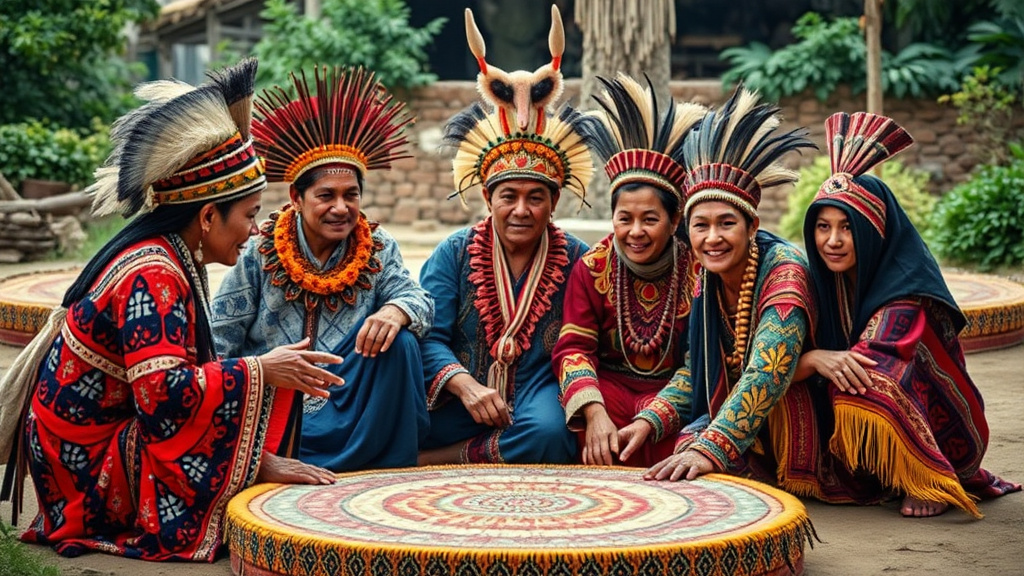
Indigenous art forms, once confined to local communities and ignored by mainstream audiences, are experiencing an unprecedented worldwide revival through online channels. Digital social platforms, virtual exhibition spaces, and streaming services have eliminated geographical barriers, allowing artists from distant locations to display their ancestral techniques, music, and artwork to people around the world. This article examines how modern tools is transforming the recognition and preservation of indigenous artistic expression, examining the significant influence of internet-based media on cultural visibility, economic opportunities, and the trajectory of ancestral artistic practices.
Digital Evolution of Traditional Art
The digitization of indigenous art forms represents a significant change in how traditional creativity connects with global audiences. Digital platforms have allowed indigenous artists to circumvent conventional gatekeepers, such as galleries and publishing houses, directly connecting with worldwide audiences. This democratization of distribution channels has enabled artisans to preserve artistic autonomy while broadening their audience exponentially. Visual media, video content, and digital archiving have transformed how cultural practices are presented, making them accessible to people across continents who might not typically experience these vibrant artistic traditions.
Technology has additionally helped the recording and archiving of endangered art forms facing extinction due to cultural absorption and the breakdown of knowledge transfer between generations. Online repositories, digital learning platforms, and interactive showcases act as storehouses of information, making certain that traditional techniques and cultural narratives are preserved for future generations. Indigenous communities now utilize these resources to assert their own accounts about their artistic heritage, countering historical misrepresentations and creating genuine representation in the global cultural conversation. This technological empowerment has strengthened cultural identity while developing lasting frameworks for artistic innovation.
Social Platforms as a Global Marketplace
Social media platforms have become dynamic marketplaces where indigenous artists generate revenue through their work and establish dedicated international fan bases. Instagram, TikTok, and Facebook empower creators to share behind-the-scenes processes, communicate their heritage, and build direct relationships with collectors worldwide. These platforms deliver instant market feedback, allowing artists to understand market preferences while preserving their creative vision. The visual-centric nature of social media particularly advantages indigenous visual arts, textiles, and crafts, which communicate effectively via imagery and video content, creating new market possibilities.
The algorithmic presence of social platforms has transformed unknown artisans into global phenomena rapidly, producing success stories that motivate entire communities. Indigenous artists have harnessed trending hashtags, joint ventures, and influencer collaborations to increase exposure while staying connected to cultural traditions. Direct consumer sales through social commerce features have cut out gatekeepers, enabling creators to keep all earnings. This economic empowerment reaches further than solo artists, regularly helping entire communities through joint enterprises and shared branding efforts.
- Instagram presents artistic works and textile creations to global audiences each day
- TikTok enables brief video presentations of traditional artistic techniques
- Facebook groups facilitate connection among members among native artist communities
- YouTube provides platforms for long-form cultural storytelling and learning materials
- Pinterest boosts awareness and purchases of native artisan works and design pieces
Heritage Conservation Through Digital Innovation
Digital environments have become invaluable tools for safeguarding indigenous art forms that face disappearance due to modernization and cultural assimilation. By building enduring digital documentation of time-honored practices, artistic presentations, and cultural knowledge, communities can protect their artistic legacy for coming generations. Online archives and virtual museums ensure that traditional customs remain preserved and accessible, even as younger generations migrate to urban areas or pursue different careers.
Digital innovation allows indigenous artists to maintain cultural continuity while adjusting with contemporary contexts. Digital tools allow artisans to record their creative processes, distribute instructional content, and build communities of practitioners across geographical boundaries. This technological integration strengthens cultural identity and opens new pathways for knowledge transmission, ensuring that traditional art forms develop rather than disappear in an increasingly globalized world.
Document and Storage Projects
Specialized digital platforms focused on indigenous art documentation have grown internationally, providing safe archives for artistic resources. These initiatives utilize advanced technology including 3D scanning, high-resolution photography, and video recording to document complex elements of indigenous art. Organizations partner with indigenous communities to guarantee culturally sensitive access controls and dignified portrayal of sensitive or sacred artistic traditions and customs.
Joint archiving initiatives unite indigenous artists, scholars, and technologists in extensive documentation projects. These initiatives center on community ownership and authority over cultural materials, establishing protocols that uphold intellectual property rights and cultural protocols. By merging traditional knowledge with digital platforms, these archives develop long-term approaches for conservation that empower indigenous communities as keepers of their own cultural narratives.
- Three-dimensional scanning methods records precise artwork measurements and complex surface details.
- Visual recording preserves conventional methods and artistic processes for later research.
- Community-managed digital collections ensure appropriate access and cultural protocol compliance.
- Multi-language online systems provide indigenous art knowledge available worldwide.
- Cloud-based archives provide secure, long-term preservation from material decay.
Economic Opportunities and Community Impact
Digital platforms have substantially reshaped the marketplace dynamics for indigenous artists, establishing new income sources that immediately support communities. By sidestepping conventional middlemen and gatekeepers, artists can now keep more earnings from their sales, directing revenue into cultural conservation efforts and local improvement initiatives. This opening of markets has enabled thousands of indigenous creators to attain lasting viability through their artistic endeavors, breaking cycles of systemic disadvantage that traditionally affected these communities.
Beyond individual artist success, digital platforms have driven broader community development by fostering collaborative economic models. Collective online stores, cooperative galleries, and artist networks strengthen purchasing power while maintaining cultural authenticity and values. Revenue generated through digital sales supports educational offerings, apprenticeships for younger generations, and infrastructure improvements in indigenous territories. This economic empowerment enhances cultural identity and creates incentives for youth to engage in traditional art forms, ensuring cultural knowledge transfer and artistic continuity.
Direct Revenue for Artists and Fair Trade Models
Digital marketplaces have revolutionized how indigenous artists profit from their work, removing exploitative middlemen who historically took the majority of profits. Direct-to-consumer sales through websites, social media, and specialized platforms enable artists to set fair pricing reflecting their expertise and cultural value. Open financial structures build consumer trust while guaranteeing artists gain equitable compensation. This move to direct sales has boosted communities economically while maintaining the integrity and cultural significance of their artistic traditions.
Fair trade digital platforms created for indigenous creators implement ethical standards ensuring fair payment and appropriate depiction. These platforms emphasize creator wellbeing, cultural dignity, and long-term viability over financial gain. Certification systems validate true indigenous roots while defending traditional knowledge from unauthorized use. By connecting ethical buyers with indigenous artists, fair trade models generate long-term income sources while fostering cultural pride and self-sufficiency within communities.
- Open pricing frameworks confirm artists get equitable compensation compensation.
- Cooperative platforms enable collective bargaining and shared marketing resources efficiently.
- Online payment wallets and payment systems offer safe and convenient monetary transfers globally.
- Distributed ledger technology guarantees authenticity verification and blocks fraudulent indigenous pieces.
- Profit distribution systems fund collective funds and cultural preservation initiatives.
