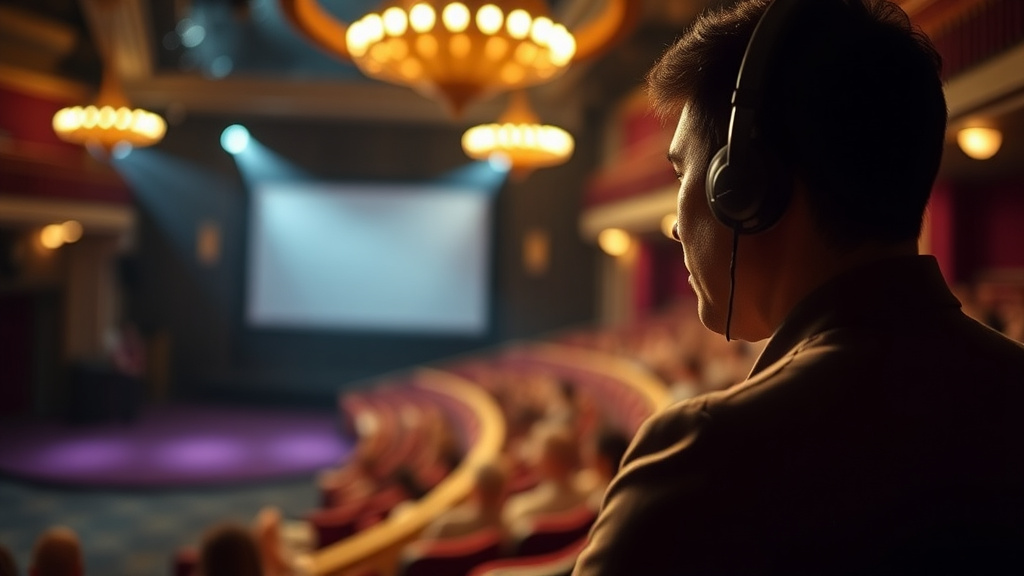
From Shakespeare to Sondheim, traditional stage works are experiencing a modern transformation as companies worldwide reinterpret beloved performances for today’s theater-goers. Faced with changing audience tastes and technological possibilities, theaters are creatively transforming classic texts through experimental staging techniques, diverse casting, and online broadcast services. This discussion investigates how prominent theatrical organizations are linking enduring masterpieces with modern sensibilities, guaranteeing these timeless stories remain relevant while broadening their audience beyond classic performance venues into virtual platforms.
Reinterpreting Classics for Contemporary Significance
Theater companies are actively evolving how classic productions resonate with modern audiences by infusing contemporary themes and societal observations into timeless narratives. Directors are reimagining Shakespeare, Chekhov, and other literary masterpieces to address current issues such as identity, human rights, and environmental concerns. By preserving the source material while altering time period and deeper themes, productions become mirrors reflecting today’s society, making audiences experience beloved tales through fresh perspectives that feel immediately significant to their lived experiences.
This reimagining extends beyond basic stylistic revisions; it represents a philosophical shift in how theaters engage with their creative purpose. Rather than keeping classics frozen in time, companies understand that timeless texts thrives through fresh interpretation across successive time periods. Contemporary stagings push spectators to reconsider preconceptions about masculinity and femininity, power relationships, and cultural practices present within traditional literature. This dynamic approach breathes new life into historical masterpieces, demonstrating that classics remain alive and engaging, intellectually stimulating, and powerfully resonant when intelligently transformed for contemporary sensibilities and concerns.
Setting, and Costume Innovation
Contemporary theater designers are revolutionizing narrative presentation by transporting traditional stories into unexpected time and place settings. Rather than following period-accurate aesthetics, forward-thinking productions place Shakespearean tragedies in business offices, dystopian futures, or modern city landscapes. These daring decisions generate cognitive dissonance that encourages audiences to reconsider known stories with renewed attention. The juxtaposition of classical dialogue with contemporary settings produces compelling insights, allowing designers to emphasize enduring human struggles while simultaneously addressing contemporary anxieties about technology, authority, and societal systems.
Costume design has become increasingly transformative practice, with designers weaving historical references, contemporary fashion, and symbolic elements to create striking visual ensembles. Rather than strict historical accuracy, modern productions use costume as a narrative tool that communicates character, social status, and thematic concerns at the same time. This approach allows audiences from diverse backgrounds to access productions more readily, as familiar contemporary clothing elements generate immediate emotional connection while preserving theatrical spectacle. Innovative costume choices also facilitate more inclusive casting practices, allowing actors of different backgrounds to inhabit roles traditionally confined to specific racial or ethnic presentations.
- Modern-day reimaginings reimagine Hamlet as a corporate espionage thriller.
- Period-blending costumes merge contemporary and historical fashion elements.
- Sparse staging highlight actor performance over ornate set pieces.
- Symbolic use of color conveys character transformation and emotional arcs.
- Eco-conscious costume practices lowers ecological footprint of productions.
Adopting Digital Platforms and Streaming Solutions
The move to streaming technology has dramatically changed how production companies deliver their shows to global audiences. Online platforms dedicated to theater content have emerged, providing archived productions and live streams that reach viewers lacking the ability to see physical performances. This expansion makes access more equitable to classic productions, breaking distance and cost limitations that historically constrained theater attendance to local communities with proximity to performance venues.
Digital evolution extends beyond simple recording, requiring theaters to reconsider production elements for digital presentation. Cinematography, editing, and audio design serve as essential elements of the creative direction, producing engaging environments that stand apart from live performances. Companies invest in high-quality production standards, recognizing that digital presentations demand technical excellence matching film and television standards to engage modern audiences accustomed to premium visual quality.
Production Technical Challenges
Converting stage performances to streamed content presents substantial technical obstacles that theater companies must address with precision. Light configuration, spatial arrangement, and audience perspective differ significantly between live theater and digital platforms. Directors must reassess movement patterns, visual framing, and narrative visualization methods to preserve creative vision while adapting to technical constraints inherent in digital delivery systems and platform technical requirements.
Audio production presents another critical challenge, requiring advanced audio engineering and mixing to capture the nuanced performances and musical arrangement essential to classic theater. Theater companies must invest in professional audio equipment and expertise to ensure clear sound, rich texture, and emotional impact that translates successfully through digital speakers. Balancing dialogue prominence with musical accompaniment demands careful technical attention throughout the recording and editing stages.
- Allocation toward premium camera equipment and videography skills
- Development of robust broadcast systems supporting worldwide viewer reach
- Creation of adaptive playback systems accommodating various internet speeds
- Deployment of sophisticated illumination capture technology for stage ambiance
- Establishment of editing suites for expert post-work and mastering
Visitor Interaction and Accessible Design Approaches
Theater companies understand that modern audiences demand improved access and engagement opportunities. By implementing online channels, live streaming, and engaging tools, theaters remove geographical and financial barriers that traditionally limited attendance. These innovations permit people with physical limitations, residents of distant areas, and budget-conscious patrons to access classic productions. Furthermore, digital platforms enable theaters to engage younger demographics who might otherwise never encounter classical theater, cultivating lifelong appreciation for these enduring pieces.
Accessibility extends past physical attendance to incorporate diverse content formats and educational resources. Theater companies now offer captioning, audio descriptions, and ASL interpretation for performances, ensuring deaf and hard-of-hearing audiences completely appreciate productions. Reference documents, opening talks, and post-performance commentary enhance understanding and engagement. Digital outreach efforts and interactive content build audiences around productions, promoting conversation between performers and audiences. These varied initiatives show theaters’ dedication to accessibility while maximizing audience reach and satisfaction across varied demographics.
Interactive and Experiential Experiences
Modern theater companies utilize technology to create immersive experiences that engage contemporary audiences. Virtual reality, augmented reality, and interactive digital features transform passive viewing into active participation. Behind-the-scenes material, rehearsal recordings, and actor interviews offer intimate connections not found in traditional theater settings. These experiences strengthen audience investment in productions while creating additional revenue streams. By combining classical narratives with advanced technology, theaters deliver memorable experiences that connect with digital-native audiences while maintaining the emotional authenticity of classic works.
Dynamic online venues enable audiences to influence productions in substantive manners. Some theaters offer voting opportunities for performer selection or staging choices, fostering community ownership. Digital meet-and-greets with performers create personal connections transcending distance constraints. Gamification elements, such as reward systems or challenges for engagement, encourage repeat viewership and community sharing. These strategies convert audiences from passive viewers into engaged participants, enhancing emotional bonds to productions. Such advances prove notably successful for younger audiences seeking participatory entertainment experiences rather than standard passive experiences.
- Virtual reality staging transports audiences into traditional stage worlds.
- Live social media interactions engage audiences directly with cast members.
- Interactive voting allows audiences to influence production decisions collaboratively.
- Gamified engagement incentives encourage repeat viewership and audience sharing.
- Behind-the-scenes digital content deepens appreciation for theatrical craftsmanship.
